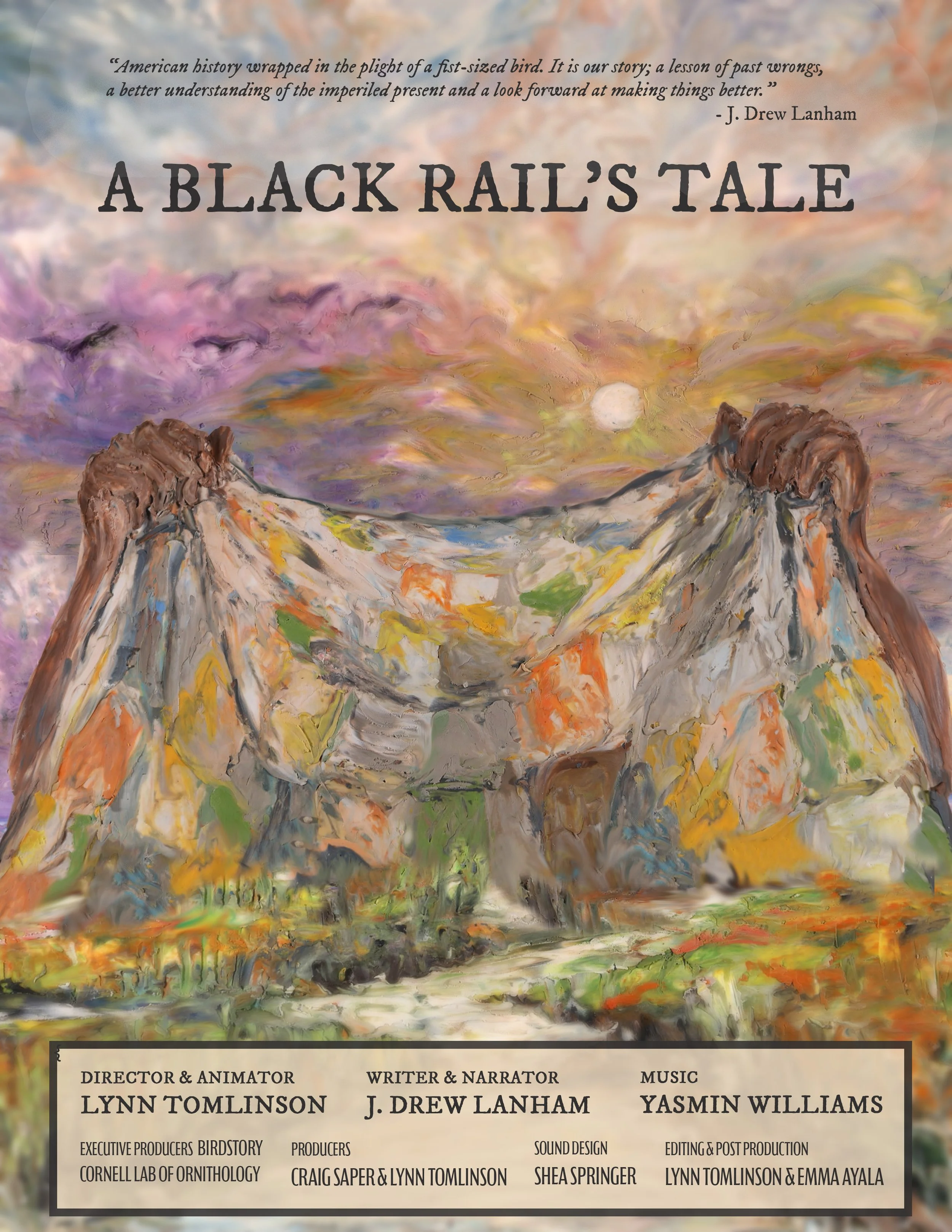
A BLACK RAIL’S TALE (2026)
Animated Documentary Short
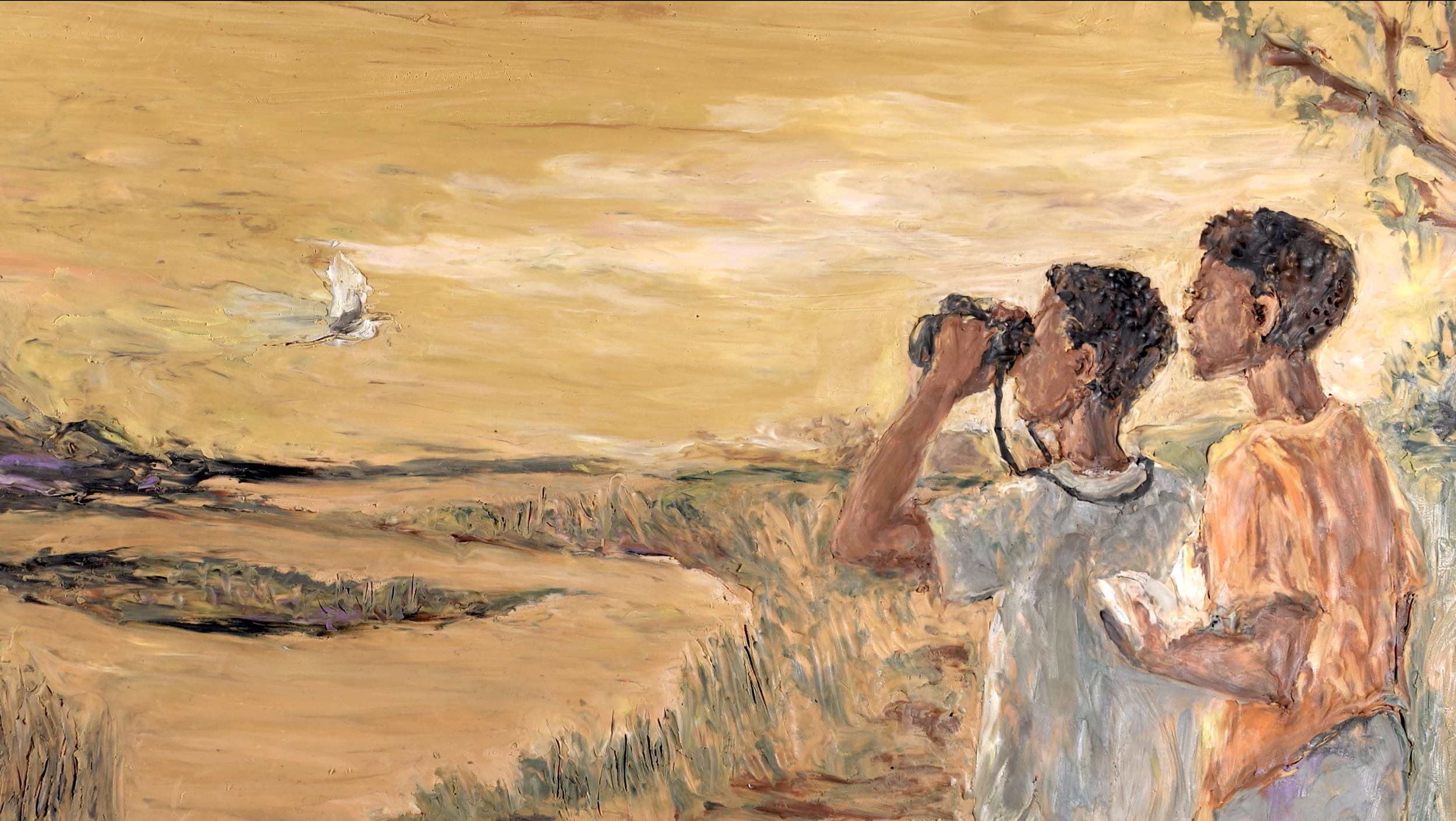
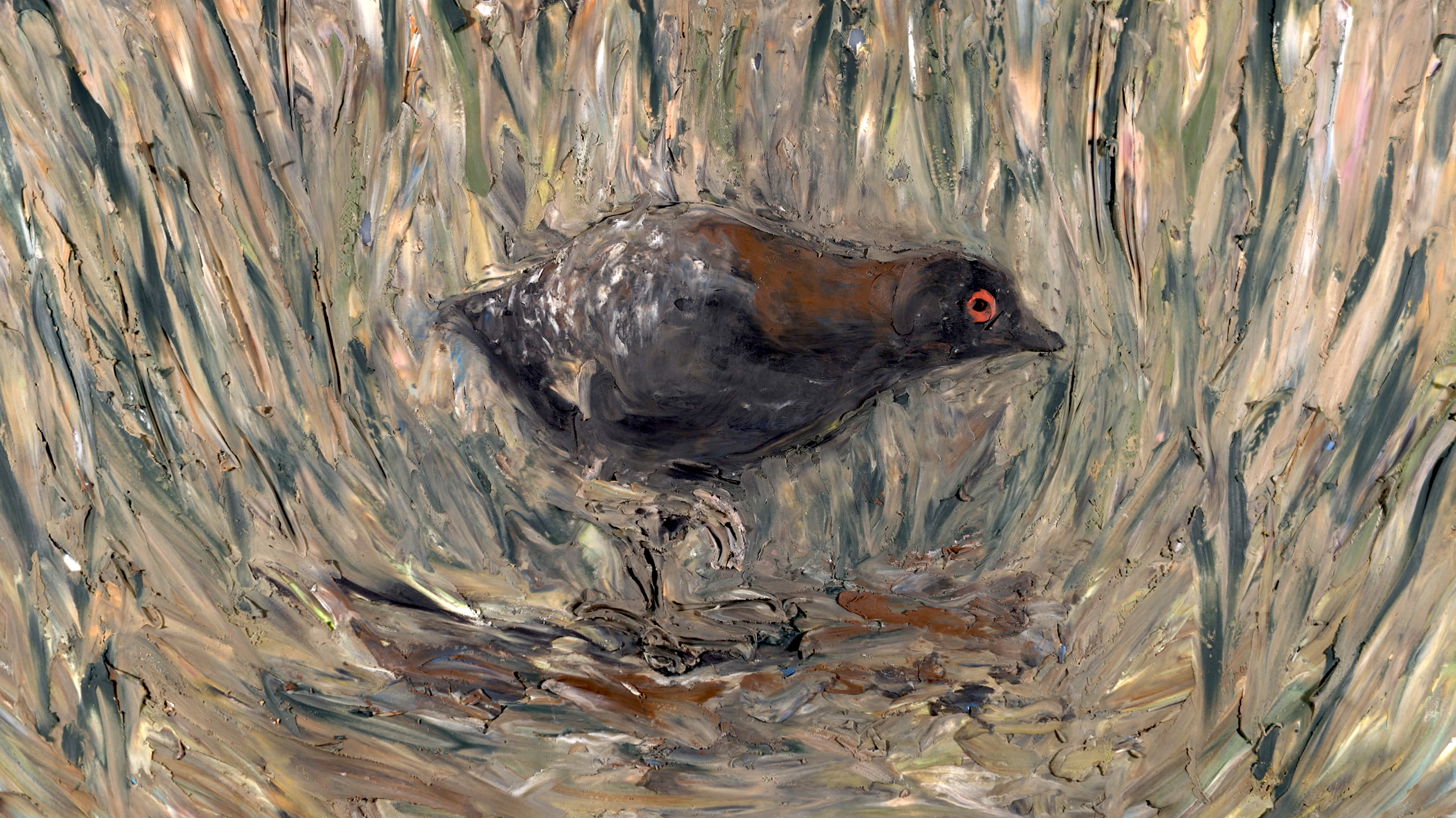
A Black Rail's Tale explores the intertwined histories of people, place, and wildlife through the quiet presence of the Black Rail—one of North America's rarest and most elusive birds. Guided by the poetic narration of writer and cultural ornithologist J. Drew Lanham, the film journeys through South Carolina's former rice plantations, revealing how landscapes engineered through the expertise and forced labor of enslaved Africans have become vital habitat for endangered wildlife.
Through this remarkable intersection of history and ecology, A Black Rail's Tale blends handcrafted animation, poetry, and an original score by acclaimed guitarist Yasmin Williams into a lyrical meditation on memory, resilience, ecological restoration, and the enduring connections between people, landscapes, and the living world.
Where History Meets Habitat
The tidal rice fields of South Carolina stand among the most significant cultural landscapes in the United States. Engineered through the extraordinary agricultural knowledge and forced labor of enslaved Africans, these fields were later reclaimed by the marsh, evolving into one of the last strongholds for the endangered Black Rail. By bringing together environmental history and contemporary conservation, A Black Rail's Tale reveals how a single landscape can preserve the stories of both people and wildlife across generations.
The Animation Process
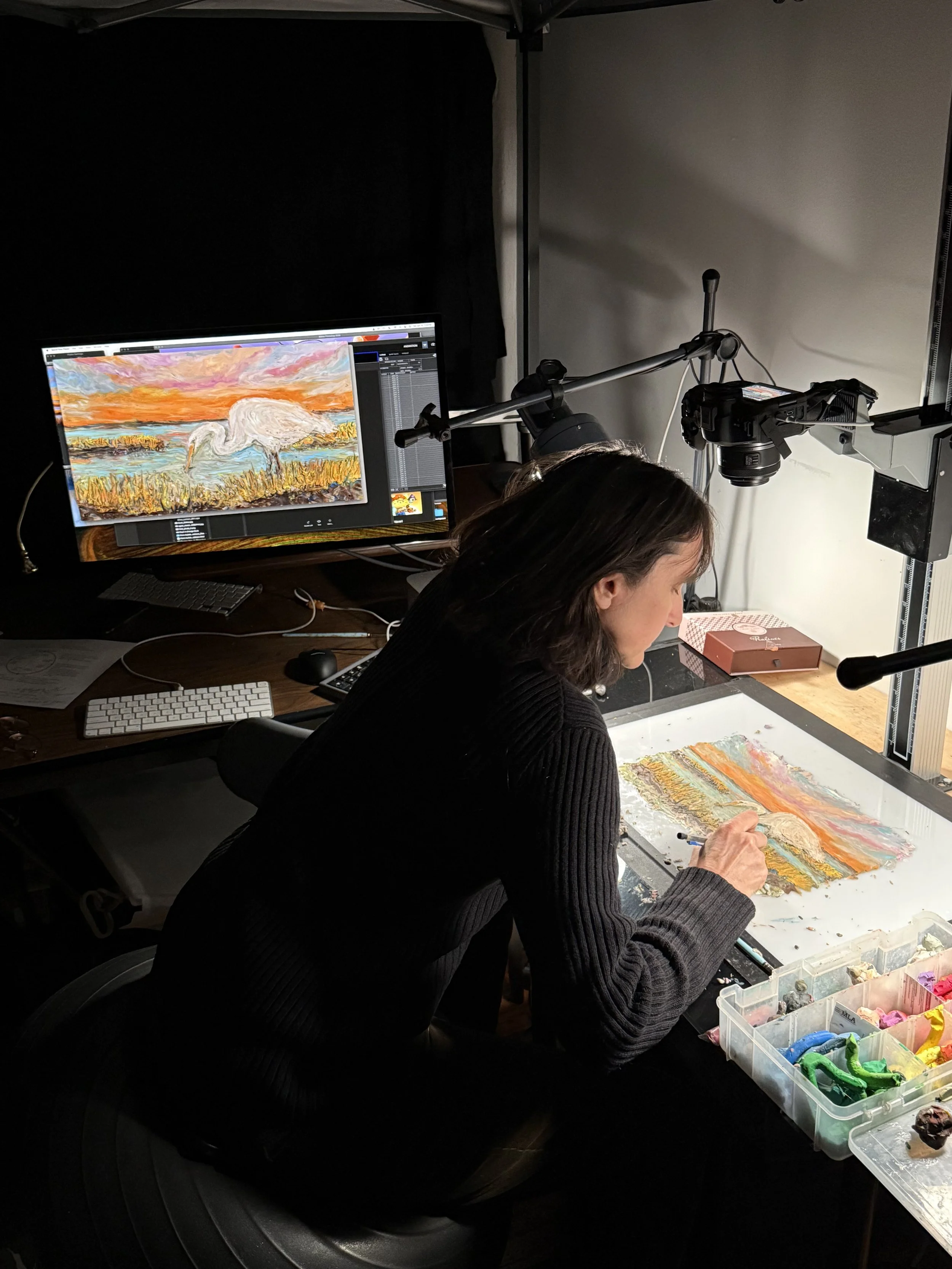
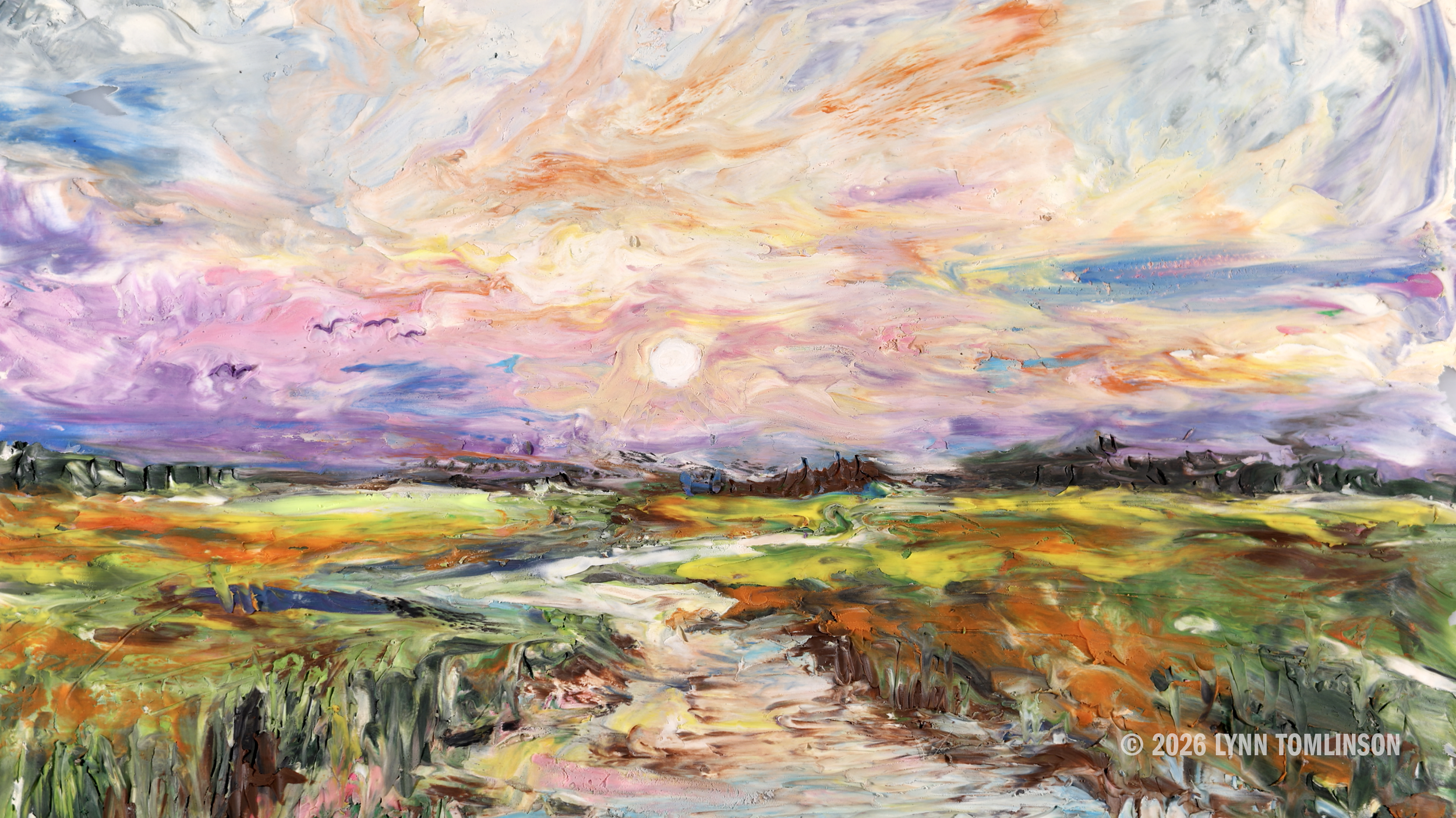
A Black Rail's Tale was created using a signature clay-on-glass animation technique, transforming layers of oil-based modeling clay frame by frame into rich, hand-painted imagery. For this film, materials gathered from South Carolina's ACE Basin—including reddish clay soil, black pluff mud, and Carolina Gold rice—were incorporated into the animation, deepening its visual and historical connection to the landscape that inspired the story.
Every transformation is crafted by hand, allowing the imagery to evolve as naturally as the landscape itself.
As the clay is continually reshaped beneath the camera, images emerge, dissolve, and transform, mirroring the ways history, memory, and the natural world continually shape one another. The tactile, handcrafted process reflects the film's exploration of resilience, restoration, and the enduring relationship between people, place, and the living world.
Featuring
J. Drew Lanham
Writer & Narrator
Yasmin Williams
Original Score
Executive Producers
BirdStory
Cornell Lab of Ornithology